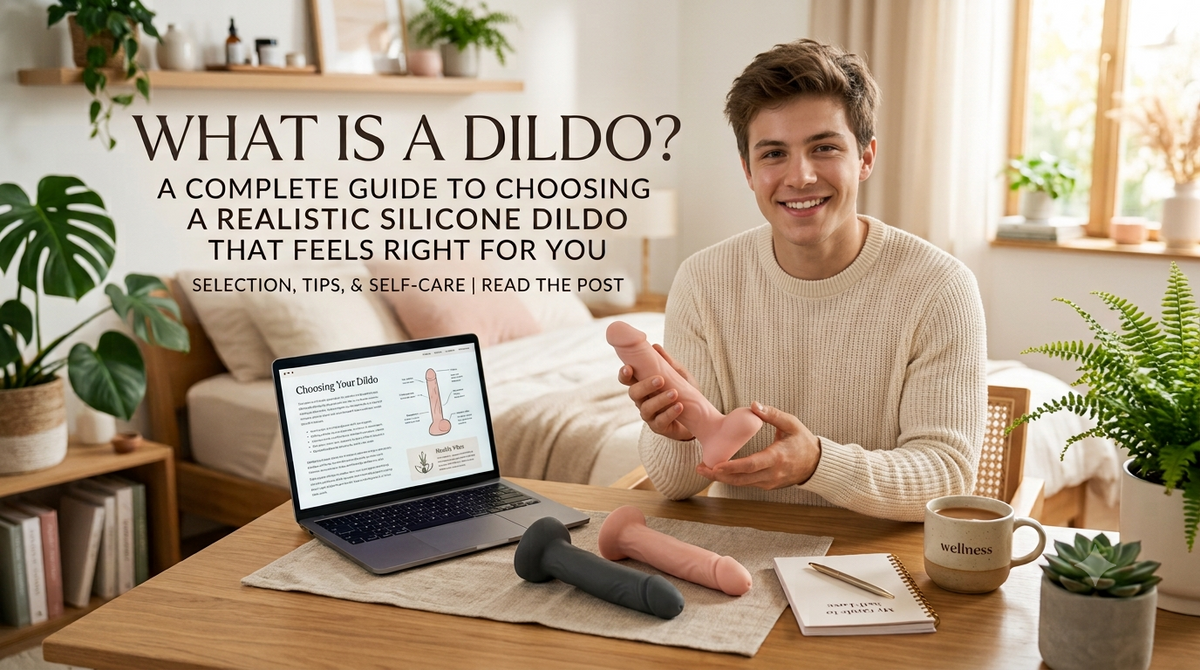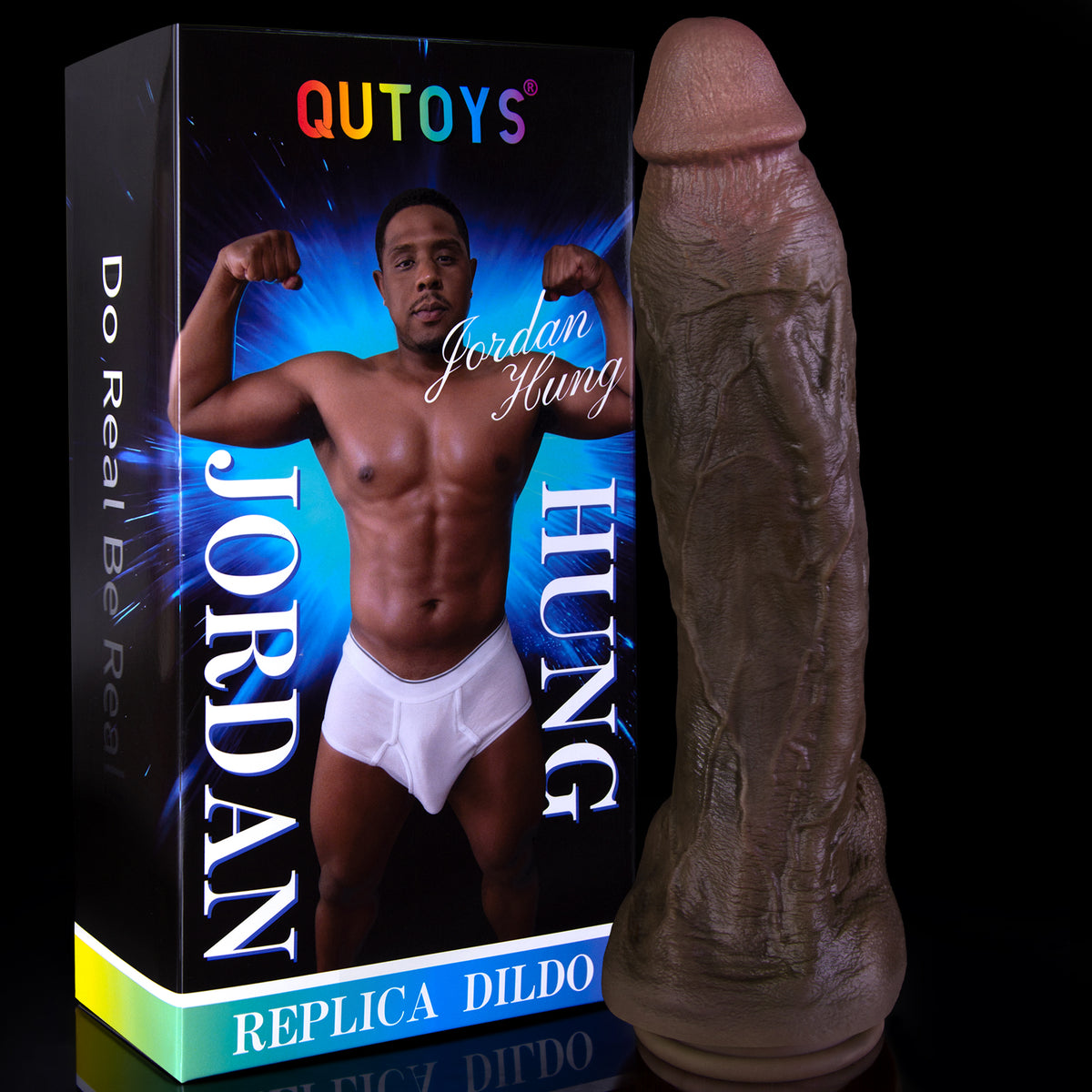



The Ultimate Dildo FAQ: Honest Answers to Your Unspoken Questions
- by Sims Zhou

You might find yourself hesitating in front of a shopping cart at midnight, staring at a product page and wondering: Is this actually safe? You've watched countless reviews and "unboxing" videos, but they often focus on how massive the toy looks rather than how it feels, smells, or holds up over time. This creates a sense of information asymmetry that leaves many buyers feeling anxious rather than excited.
The truth is, a lot of the promotional content out there exaggerates the size and performance while completely ignoring the safety warnings, cleaning blind spots, and material taboos. As a team deeply involved in this industry, we receive dozens of direct messages every day from our followers asking the most practical, down-to-earth questions. This ultimate FAQ is designed to turn you from a blind buyer into a true connoisseur. We will cover everything from microscopic bacteria to the psychology of couple communication. By the end of this guide, you'll know exactly what to look for and how to maximize the lifespan of your premium realistic dildo.
Is It Actually Safe to Put This Material Inside My Body?
The short answer is yes—but only if it's made from the correct, body-safe materials. This is the number one concern we hear from first-time buyers, and for good reason. Your body's internal tissues are highly sensitive to chemicals, toxins, and even microscopic bacteria.
How do I verify if a product is truly "Medical Grade"?
Many brands slap the term "Medical Grade Silicone" onto their packaging without passing actual regulatory standards. True medical or food-grade platinum silicone must meet strict international safety benchmarks, such as FDA (U.S. Food and Drug Administration) or CE certification. If a brand openly displays these international test reports or safety certifications on their product page, that is the strongest signal of reliability.
Additionally, you can perform a simple "bite test" at home. Genuine high-end platinum silicone is incredibly stable. If you gently bite it with your teeth, it will not leave permanent indent marks. Furthermore, some low-quality silicone toys have a greasy or oily film when first touched. This is often residual industrial mold-release oil used during manufacturing (which you should wash off immediately). A true premium liquid silicone dildo feels silky, dry, and matte to the touch, with zero chemical stickiness.
What is the real difference between cheap rubber and premium silicone?
Cheap toys found on low-cost marketplaces are frequently made of TPE (thermoplastic elastomer), TPR, or even PVC. These materials are widely considered porous. In a microscopic view, the surface of TPE looks like a sponge with millions of tiny holes. Over time, these holes trap natural body oils, bacteria, and lubricant residue. No matter how hard you scrub them, you can never fully sterilize a porous toy. This is also the primary reason why you might notice an overpowering chemical or "new car" smell when you unbox a cheap toy.
Premium adult toys, on the other hand, utilize liquid silicone (specifically platinum-cured silicone). This material is completely non-porous. It repels bacteria and oils rather than soaking them in. It is hypoallergenic, does not contain phthalates (toxic plasticizers), and is essentially biologically inert. This means it will not break down, melt, or react with your skin over time. A high-quality liquid silicone dildo should have no lingering chemical odor and will feel completely neutral against sensitive skin. This is the gold standard for sex toy safety.
Which chemicals should I actively avoid?
You should avoid any packaging that lists Jelly, PVC, or TPR. These materials often rely on phthalates to make the material soft and flexible. Phthalates are considered endocrine disruptors, which means they can interfere with your hormone balance over long-term exposure. Always look for specific labeling on the product page. If a brand is not actively stating "100% medical-grade liquid silicone" or "body-safe platinum silicone," it is highly likely they are using a cheaper, porous alternative.
Why Does My New Toy Sometimes Have a Strange, Chemical Smell?
If you open a box and smell a mix of plastic, a new car, or artificial vanilla perfume, you are not imagining it. This smell is the off-gassing of volatile organic compounds (VOCs). When low-quality plastic or TPE is produced, chemical stabilizers are added that slowly release gases as the material ages.
A true liquid silicone dildo is completely odorless. It should smell like nothing at all. If you smell a heavy chemical scent, it means the product is likely not food-grade or body-safe. This off-gassing doesn't just smell bad—it is a warning sign that the product might be leaching chemicals onto your skin, which can cause irritation, rashes, or dryness. It is a very solid rule of thumb: if the toy smells bad out of the box, you should consider returning it and investing in a non-porous alternative that prioritizes your health over cost-saving manufacturing.
How Do I Actually Clean and Care For It? (It's More Important Than You Think)

Proper hygiene is the difference between a toy that lasts for years and a toy that becomes a breeding ground for yeast or bacteria. Your hygiene routine doesn't just protect your health; it preserves the beautiful, realistic textures of your realistic dildo.
Can I use regular hand soap or dish soap?
While mild, unscented liquid castile soap is generally safe, it is far better to use a dedicated, pH-balanced toy cleaner. Normal hand soaps often contain moisturizers and oils that leave a microscopic film on silicone, which can cause the material to become slightly tacky or attract lint. Dedicated cleaners are formulated specifically to break down the long-chain polymers found in silicone lubricants and natural body oils, ensuring every ridge and texture is truly free of residue.
What is the safest way to dry and store it?
After washing under lukewarm water, use a lint-free paper towel or a soft microfiber towel to pat it dry. Avoid using rough terry cloth towels, as they can leave tiny fuzz that clings to the silicone, which is a nightmare to pick off later. Once it is pat dry, let it air dry completely on a clean, dry surface for an hour before storing it away.
For storage, use a breathable cotton pouch or a dedicated toy bag. Do not store it in a sealed plastic zip-lock bag while it's still damp; trapped moisture can lead to bacterial growth. Also, keep it away from direct sunlight and strong heat sources, as extreme heat can degrade and warp the silicone. Storing it properly means your dual-density silicone remains soft, pliable, and ready for use next time.
What is an advanced way to sanitize my toys?
If you are extra hygiene-conscious, or if you often share toys with a partner, consider getting a portable UV-C sterilizer wand. After washing and drying your toy, place it on a clean surface and use the UV wand to scan it back and forth for 2-3 minutes. UV-C light kills 99.9% of microorganisms without causing the surface heat damage that boiling water or microwaves can cause to intricate silicone textures. If you have the budget, a dedicated "toy sterilizer box" is an excellent investment for ultimate peace of mind.
3 Common Cleaning Mistakes You MUST Avoid.
① Never use rubbing alcohol. High-concentration alcohol will rapidly dry out the silicone, causing it to turn white, crack, and lose its soft, realistic feel.
② Never scrub hard with dish soap. Powerful degreasers in dish soap will strip the natural lubricity of liquid silicone, making it dry and aging it prematurely.
③ Never put it in the dishwasher or microwave. Unless the product page explicitly says "heat-resistant up to boiling temperature," never put your toy in a high-heat dishwasher or microwave. The extreme temperatures and strong alkaline detergents will melt or permanently ruin the material.
Can I Use Silicone-Based Lube With This Toy?
This is, without a doubt, the single most common mistake beginners make, and it's an expensive one. You should never, ever use a silicone-based lubricant with a silicone dildo.
Why does silicone lube damage silicone toys?
The chemistry is quite simple: "like dissolves like." The silicone molecules in the lubricant are chemically designed to bind with silicone molecules. When you apply the lube to your liquid silicone dildo, the lube essentially begins to melt and degrade the surface of the toy. It will first feel tacky and sticky, then it will become permanently damaged, showing deformed textures and losing its smooth, realistic finish. Once this reaction happens, it cannot be reversed.
What if I already used silicone lube by mistake? Can I save it?
If you just applied a small amount of silicone lube and notice the toy is getting sticky, stop using it immediately. Rush the toy to the sink and wash it thoroughly with non-greasy liquid hand soap or toy cleaner under warm running water for 3 to 5 minutes. After rinsing, carefully dry it and touch the surface with your fingers. If it no longer feels tacky, the surface has not been permanently destroyed, and you have successfully saved your expensive investment!
However, if the surface of the toy has become soft, mushy, or no longer springs back when squeezed, it means the molecular structure has been compromised by the silicone lube. This is irreversible. Nothing can fix it, and you will unfortunately have to consider it an expensive lesson. Remember: the lifespan of a high-end dual-layer liquid silicone dildo depends entirely on how well you take care of it.
Instead, you should always stick to high-quality, water-based lubricants. Water-based lubes are essentially water mixed with a thickening agent. They evaporate slowly, glide incredibly smoothly, and can be easily washed off under a simple tap, leaving your premium toy in perfect condition.
(Pro Tip: If you want a longer-lasting glide, you can use a small amount of a hybrid lubricant, but you must make sure the label explicitly says it is "silicone-safe" or contains no silicone polymers. When in doubt, water-based lube is always the safest bet and the ideal companion for any sex toy safety routine.)
I'm Worried About the Size—Will It Hurt?
Size anxiety is entirely real and completely valid. Adult industry stats show that "girth" (width) often causes more hesitation than length, especially for beginners. There is no shame in starting small. The pleasure center is not about how large you can accommodate, but how comfortably the toy can move to stimulate internal erogenous zones.
Why dual-density is the beginner's best friend.
This is where a dual-density dildo truly changes the game. This technology uses two layers of silicone: a squishy, soft outer layer and a firm, dense inner core. This replicates the feeling of a human erection—firm enough to penetrate, yet soft and compressible enough to conform to your body's natural curves.
When you start small and work your way up to a moderate girth, a dual-density toy ensures the "stretch" is gradual and comfortable, rather than sharp and painful. Combine this with a generous amount of water-based lube, take slow and deep breaths, and listen to your body's signals. If it feels painful, stop, add more lube, and try again. Pleasure should never be a contest of endurance; it's about connection and gradual, respectful exploration.
Anatomically speaking, why is the fear of "breaking" largely psychological?
Many men are afraid of tearing rather than just the pain itself. The truth is, the perianal tissues and the inside of the rectum have incredible elasticity. As long as you achieve complete physical and mental relaxation, your body is highly adaptable to stretching.
How do you achieve "complete relaxation"? First, before starting, take deep breaths and consciously relax your pelvic floor muscles. Second, use a lubricated finger (covered with a finger cot) to perform a 1 to 2-minute warming massage. Slowly circle and press the entrance. Once the muscle tension subsides, you'll find that the size you can comfortably accommodate is much larger than you originally anticipated. Most of the terrifying feeling about size actually comes from your tense muscles and your brain's fear of pain—not the actual length or girth of the toy.
My Partner is Hesitant—How Do We Introduce Toys Together?
Finding the perfect realistic dildo is only half the battle. The harder challenge often lies in navigating a conversation with a skeptical or hesitant partner. You might feel a fear of rejection or an awkwardness in voicing your curiosity.
Don't present a toy during intimacy.
The worst thing you can do is pull out a dildo during foreplay as a surprise. This can lead to awkwardness or a feeling of pressure on the partner. Instead, approach it when you are both fully clothed, relaxed, and emotionally open.
Start with curiosity, not expectations.
Use "I" statements to express your interest without blame. For example: "I was looking at some blogs online the other day and saw this thing that I felt curious about. It made me wonder if exploring something new together could be a fun adventure for us. How do you feel about that?"
Make sure you explicitly state that saying "no" is perfectly acceptable. If they feel pressured to say yes, they will not enjoy the experience. The introduction of a toy should be about expanding mutual pleasure, not replacing what you already have.
What should I do if they say "yes" but look extremely nervous?
If your partner agrees but seems intimidated, do not rush the process. A nervous partner is often afraid of being "judged" or having to fumble through a confusing new tool. Follow this perfect 3-step execution guide:
Step 1: "The Slow-Start." When you first bring out the toy, don't rush to insert it. Place it gently on their thigh or chest for a minute, letting them get used to its weight, temperature, and the smooth touch of the silicone.
Step 2: "The Control." Hand the toy to your partner and let them hold it first. Let them decide where they want to place it and how fast they want to go. Crucially, let them control the angle and the depth of insertion themselves. Giving them control removes the pressure to perform.
Step 3: "The Compliment & Connection." Do not focus exclusively on the toy. Look into your partner's eyes, give them physical comfort, and offer verbal reassurance. Say things like: "You look so beautiful right now," or "Your body feels amazing tonight." Redirect the attention from the toy to you and them.
This strategy makes your partner feel that the toy is not here to replace them, but rather to amplify the excitement you already share. If you follow these three steps, your 20% product promotion seamlessly becomes a core memory of enhanced intimacy, and your partner will forever associate your brand with safety and trust.

Conclusion & Interactive Call-to-Action
Choosing a premium realistic dildo shouldn't be a blind guess. It involves understanding the chemistry of body-safe materials, respecting your body's natural limits, and ensuring proper hygiene practices are maintained. We hope this ultimate deep-dive FAQ has cleared up those deep-seated questions you always wanted to ask.
But we also know that everyone's body is completely unique. Some of you prefer the hyper-realistic textures of a large lifecast, some enjoy the softness of a double-layer silicone wrap, and others are specifically looking for a specific width that fits their hands perfectly.
We want to hear from you. If you are still unsure about which toy perfectly matches your body type, leave a comment below! Include your height, weight, and general preference (e.g., "I'm a beginner looking for something soft," or "I prefer a wider girth"). Our team will personally recommend the most suitable product based on your data right there in the comments.
Also, if you encounter any questions regarding lubrication, cleaning, or size transitioning while using any of our toys after reading this guide, feel free to DM your sales rep or simply drop a comment here. We are not just your adult toy supplier; we want to be a trusted partner you can rely on throughout your journey of intimate exploration.
Recent Posts